Pricing Strategy For Glendale Character Homes
June 11, 2026
June 11, 2026
Wondering why one Glendale character home sparks a bidding war while another sits, even when the square footage looks similar? If you are preparing to sell a bungalow, Spanish Colonial Revival, or mid-century home, pricing can feel especially tricky because buyers are not just comparing size and bedroom count. They are also weighing authenticity, condition, location, and how well the home’s updates respect its original style. This guide will show you how a smart pricing strategy works for Glendale character homes and what can help you aim for a stronger result. Let’s dive in.
Glendale is a competitive market, but that does not mean every home can be priced the same way. Recent market data points to a low-$1M market overall, with Zillow reporting an average home value of $1,205,826 and homes going pending in about 15 days, while Redfin reports a $1,236,861 median sale price over the last three months, about 6 offers on average, and a 36-day median market time.
The exact number will vary by source, but the message is clear. Glendale draws strong buyer attention, and homes can move quickly. That makes pricing precision important because an attractive list price can create momentum, while an inflated one can slow interest at the start.
Glendale’s location also helps support demand. The city notes its central access to downtown Los Angeles, Pasadena, Burbank, Hollywood, Universal City, and major freeways including the I-5, SR-2, 134, and 210. For buyers, that convenience adds value, especially when it is paired with a home that offers distinctive architecture and curb appeal.
Character homes are different from standard resale inventory because buyers often see them as one-of-a-kind. In Glendale, that means pricing should reflect more than square footage alone.
Glendale’s historic design guidance makes it clear that original architectural features matter. For Craftsman and bungalow homes, details like low profiles, wide overhanging eaves, exposed rafters, gabled roofs, solid porch elements, and large front porches help define the style.
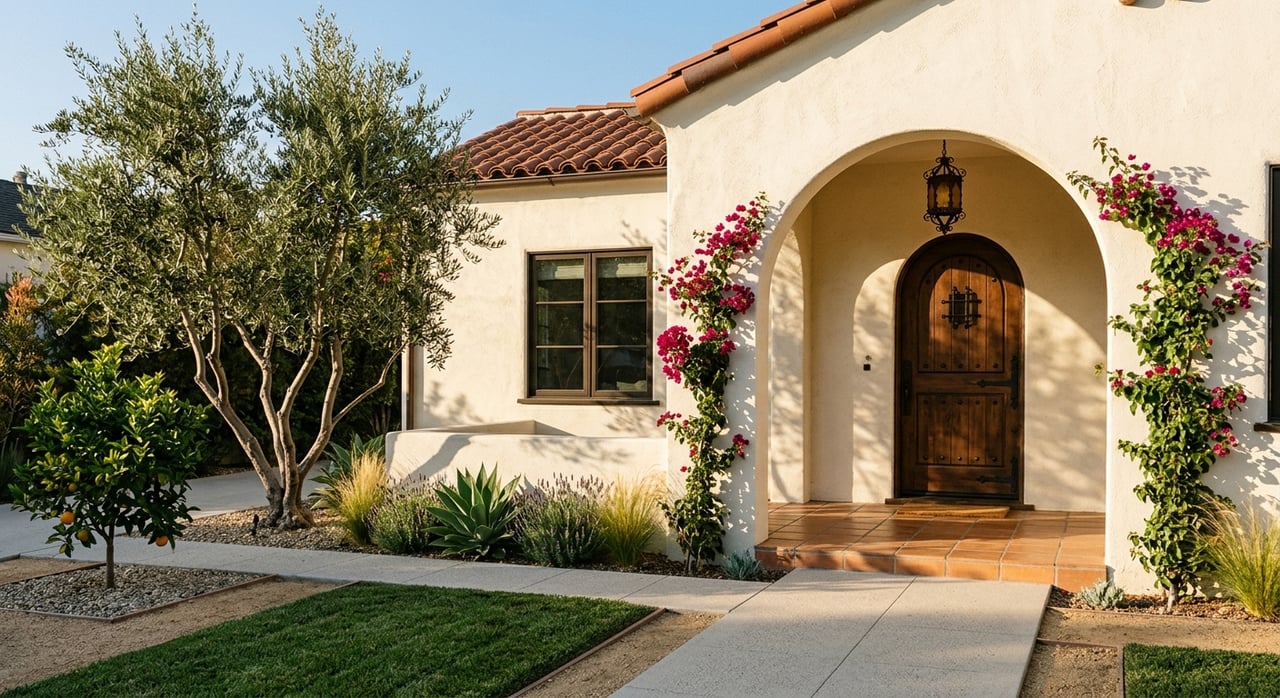
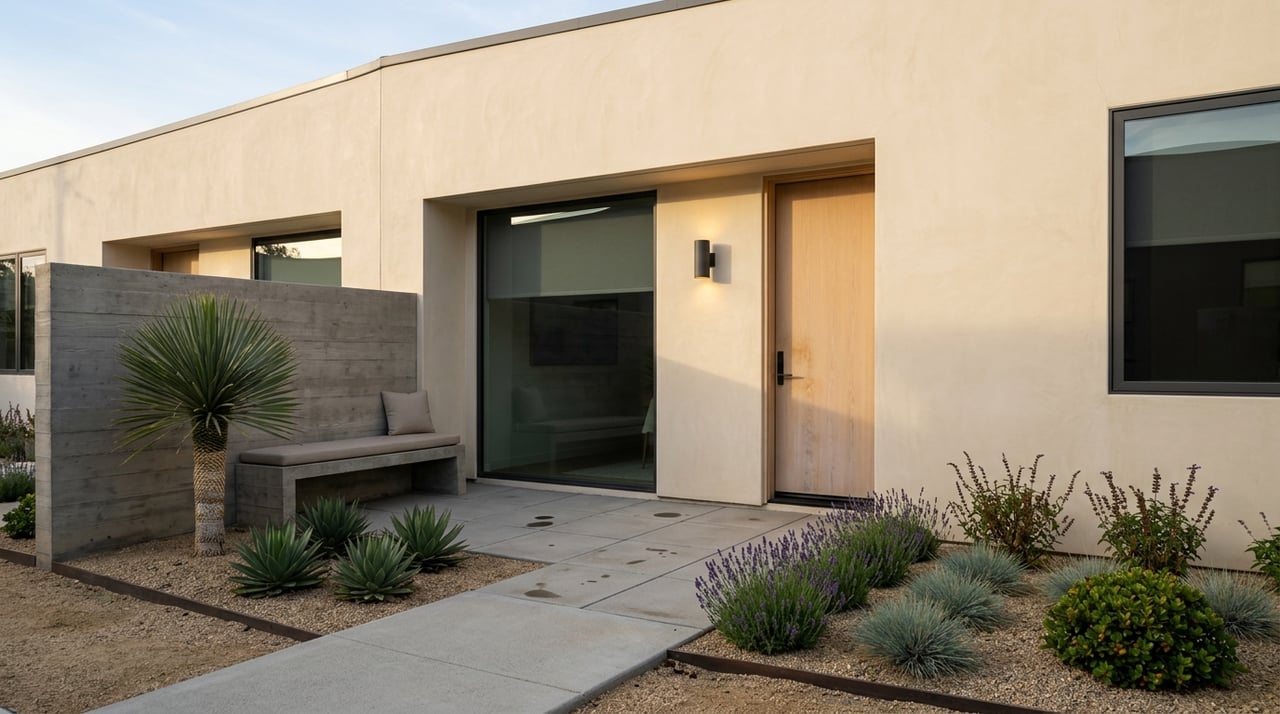
For Spanish Colonial Revival homes, buyers often respond to features such as smooth stucco, red clay tile roofs, arched entries, recessed porches, and low-pitched roof forms. For mid-century modern homes, the defining features are usually simpler lines, flat roofs or subordinate gables, rectilinear forms, and minimal ornament.
In other words, buyers are often paying for the architecture itself. If the home still reads clearly as the style it was built to be, that can support stronger pricing.
Glendale notes that stucco is the predominant material on many historic residential buildings built after 1920, and that altering or obscuring original cladding can seriously impair a home’s appearance. That has a real pricing implication.
When original materials or style-defining features remain intact, buyers looking for a true character home may assign more value to that authenticity. If visible changes dilute the home’s architectural identity, the price ceiling may be lower than a seller expects.
A polished home can absolutely command attention, but only if the improvements fit the architecture. Glendale’s preservation guidance repeatedly favors keeping original roof form, eave depth, specialty tile, wood siding, and other character-defining details, while discouraging incompatible synthetic substitutes.
That means a fresh remodel is not automatically a premium feature. In a Glendale character home, buyers may pay more for thoughtful, style-consistent updates than for generic finishes that make the property feel less authentic.
Two homes with similar features can still command different prices based on where they sit. In Glendale, neighborhood context, streetscape continuity, and district location can all affect buyer perception.
Glendale’s historic districts are meant to protect neighborhoods with architectural or historic character. Work in those districts is reviewed by the Historic Preservation Commission rather than the Design Review Board, which shows how seriously the city treats preservation in these areas.
For sellers, that means district location can act as a value signal. A home in or near an area known for intact architecture and cohesive curb appeal may attract buyers who specifically want that setting.
A character home does not exist in isolation. Buyers are also reacting to the surrounding homes, visible maintenance, street appeal, and whether the block feels architecturally consistent.
That is especially important in places such as Royal Boulevard in Rossmoyne, where intact Period Revival streetscapes help shape value. In these settings, curb appeal and neighborhood context can be just as important as the interior finishes.
A strong pricing strategy starts with a better comparative market analysis, or CMA. For character properties, the goal is not to find the nearest house with the same bed and bath count. It is to find the closest match in style, condition, setting, and authenticity.
The most useful comps for a Glendale character home are usually homes with the same architectural type, a similar lot, similar topography, similar neighborhood or district context, and a comparable level of originality or renovation.
For example, comparing a preserved 1920s bungalow to a heavily altered ranch can distort value. Even if the square footage is close, the buyer pool and pricing logic may be very different.
When reviewing comps, it helps to ask a few direct questions:
These details matter because the buyer for a Glendale character home is often paying for scarcity and identity, not just utility.
Historic status can support value, but it can also narrow the buyer pool. Glendale’s Register of Historic Resources includes more than 100 properties, and once a property is listed, proposed alterations, repairs, and demolitions must be approved by the Community Development Department and or the Historic Preservation Commission.
That oversight can be attractive to buyers who value preservation. It can also feel restrictive to buyers who want more flexibility, so historic designation should be framed clearly and accurately in pricing and marketing.
Glendale says owners of listed properties may participate in the Mills Act program, which can reduce property taxes in exchange for maintaining the property at a high level of preservation. California’s Office of Historic Preservation notes that these contracts are administered locally, run for 10 years, renew automatically each year, and transfer with the property.
For pricing, this means a listed home may offer both benefits and responsibilities. Some buyers will place value on the potential tax relief and preserved character, while others may price in the added maintenance and review requirements.
In a market where homes may sell in roughly 15 to 36 days and many trade at or above list price, it can be tempting to push the price high and test the market. That strategy can backfire, especially for a character property that depends on early emotional interest.
If the home is truly exceptional, meaning rare originality, strong presentation, and clean documentation, it may justify the upper end of the comp range. If not, an aggressive list price can lead to a slower launch, reduced urgency, and a later price correction that weakens your position.
Before you set the asking price, it helps to prepare the home in a way that supports the value story. With Glendale character homes, visible exterior details often carry extra weight.
Because Glendale’s district guidelines focus on exterior changes visible from the public right-of-way, street-facing repairs and presentation matter a lot. Porch details, rooflines, windows, visible cladding, and landscape framing all shape first impressions.
If you are choosing where to spend time and money, these highly visible features may offer more pricing support than updates buyers cannot easily see.
The strongest prep strategy is often simple and disciplined:
This kind of preparation aligns with Glendale’s preservation framework and helps buyers understand what makes the home special.
Once the price is set, the marketing should reinforce why the home belongs at that number. For character homes, the story matters.
The strongest marketing usually emphasizes scarcity, original details, preserved architecture, neighborhood context, and any documented historic status or Mills Act benefit. It should stay factual and careful, especially when referencing historic designation, because Glendale uses formal review and registration processes.
That is where a tailored approach can make a difference. A character home often needs more than standard listing language. It needs clear positioning, thoughtful presentation, and pricing that matches what buyers in Glendale are actually paying for.
Selling a Glendale character home is not about chasing the highest possible number on day one. It is about understanding what the market rewards, presenting the home with care, and pricing it in a way that creates confidence from the start. If you want guidance tailored to your home, your block, and your goals, Petro Real Estate Group - Andrew & Stacy can help you build a strategy that respects the property and the market.
Stay up to date on the latest real estate trends.
We pride ourselves in providing personalized solutions that bring our clients closer to their dream properties and enhance their long-term wealth. Contact us today to find out how we can be of assistance to you!