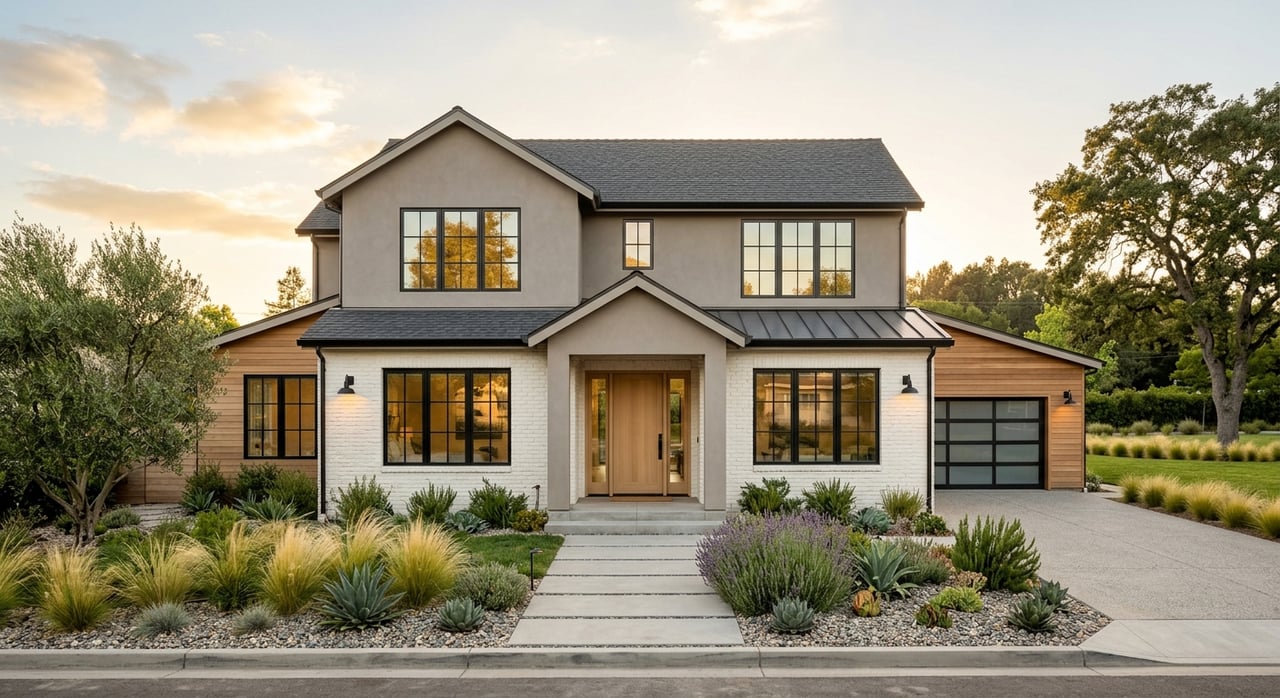
Newer vs Classic Homes In La Cañada Flintridge
July 2, 2026
July 2, 2026
If you are torn between a polished newer build and a character-filled older home in La Cañada Flintridge, you are not alone. This is one of those local markets where age alone rarely tells the full story, especially in a city shaped by older housing stock, selective new development, and important safety considerations. By the end of this guide, you will have a clearer way to compare newer and classic homes based on upkeep, documentation, lifestyle fit, and long-term value. Let’s dive in.
La Cañada Flintridge is a small foothill city with 20,573 residents and 7,053 total housing units, according to the 2024 ACS profile. It is also a market where single-family detached homes dominate the landscape, making up 91.9% of the housing stock in 2018.
What really shapes the newer-versus-classic conversation is the age of the homes. SCAG reports that 80.5% of the city’s housing stock was built before 1970, which means many buyers are comparing older homes with original character against newer infill homes, remodel-rebuilds, or properties with recently added ADUs.
The city has also made room for carefully managed housing growth. La Cañada Flintridge reports that 111 new housing units, including ADUs, have been permitted since October 15, 2021, so newer options do exist, but they tend to arrive one project at a time rather than through large new subdivisions.
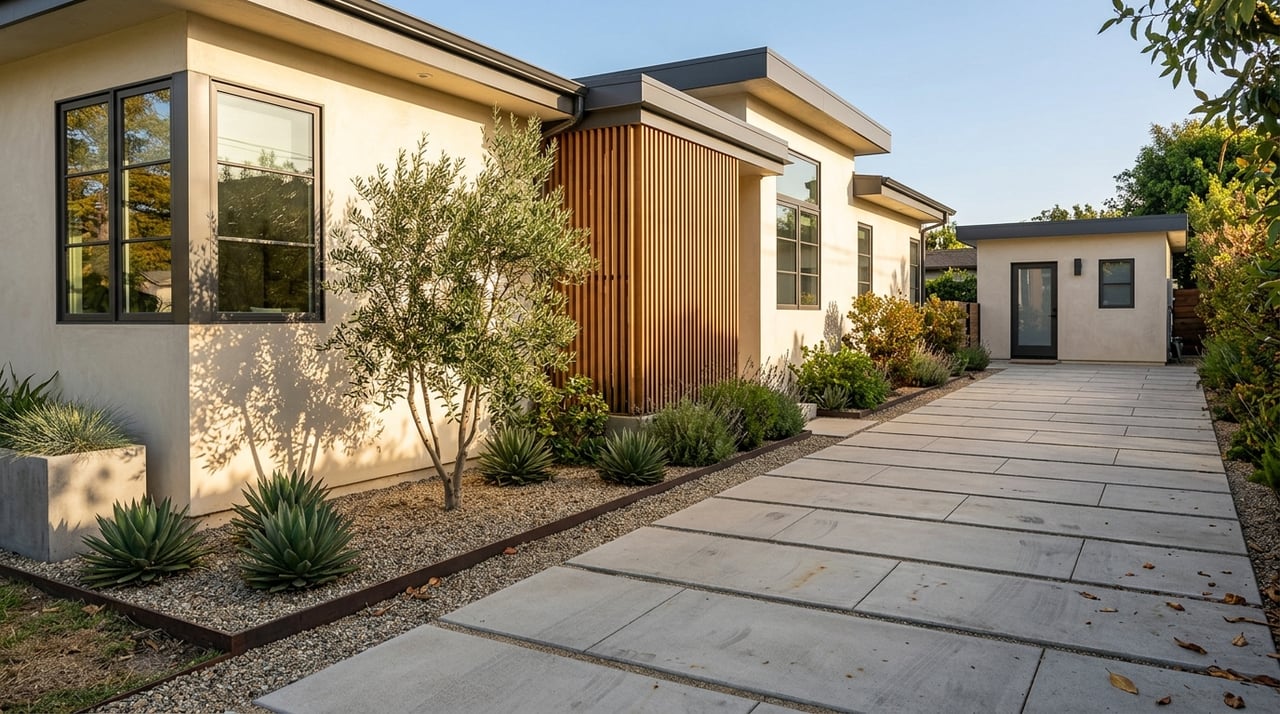
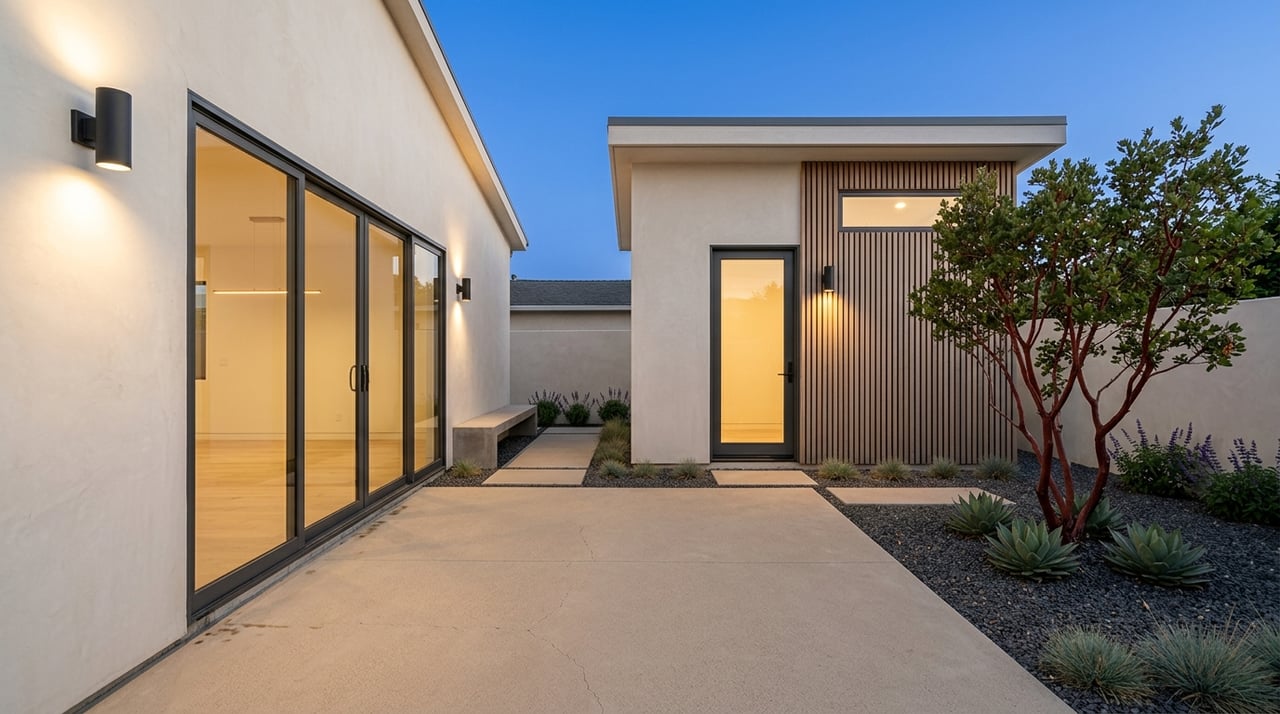
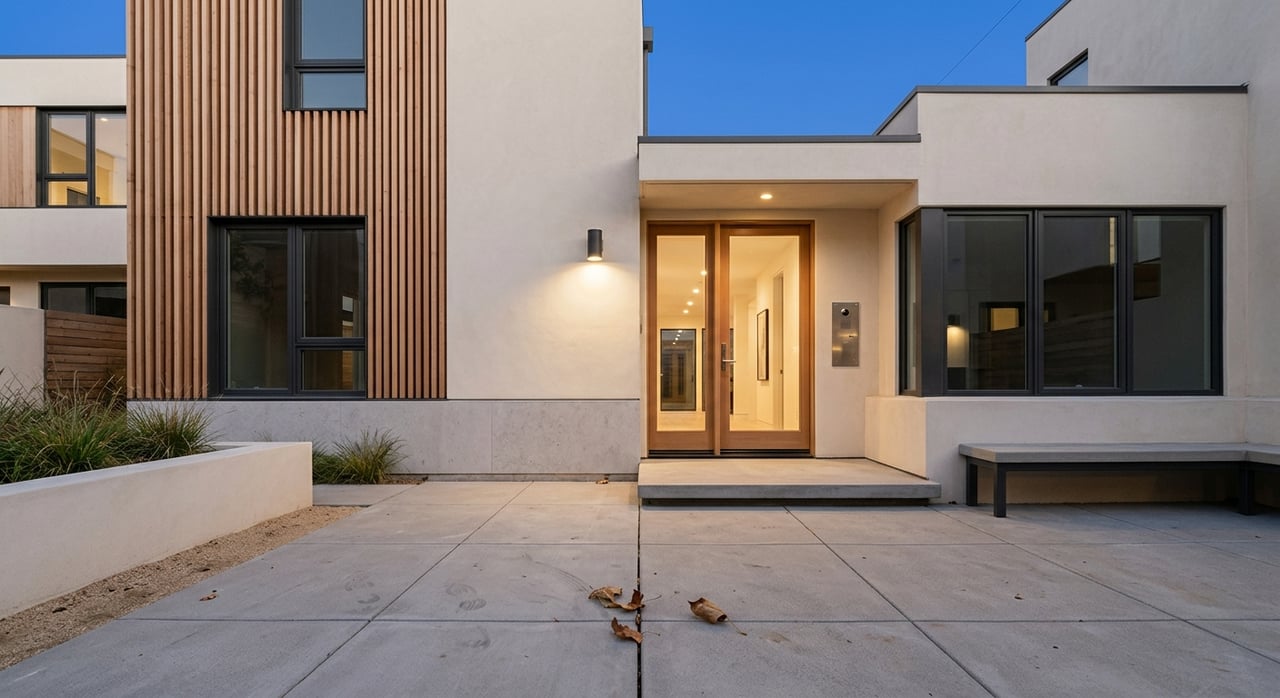
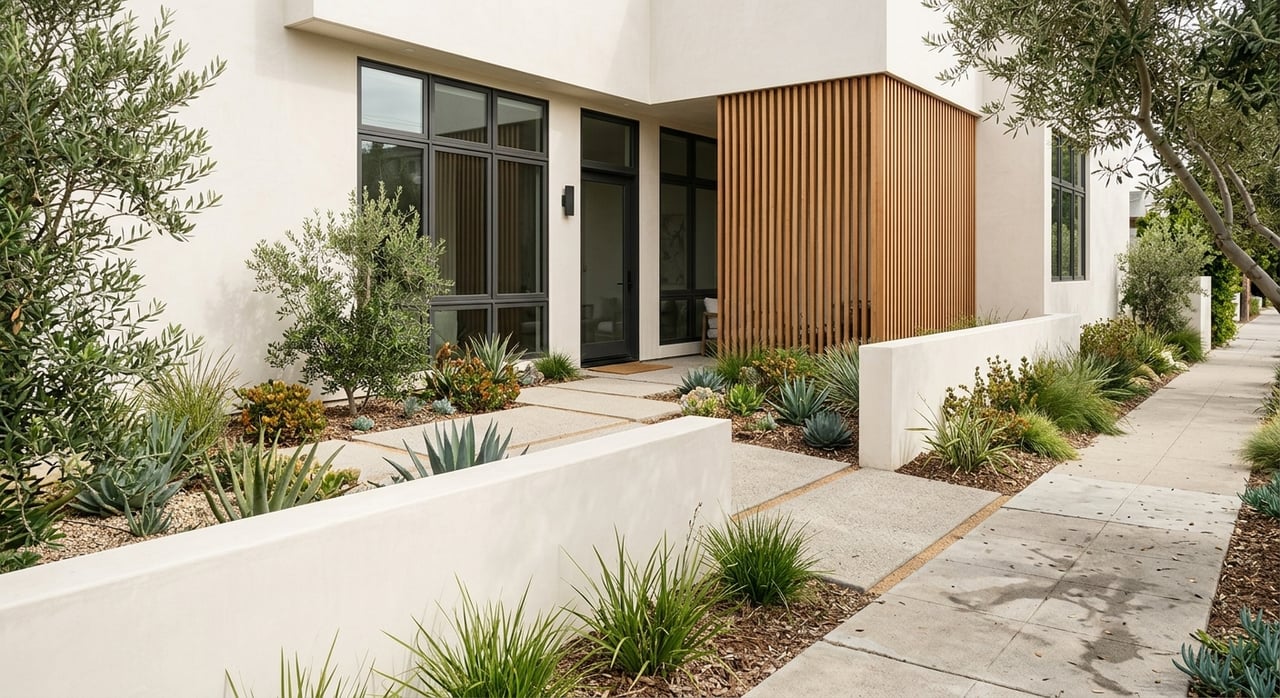
In La Cañada Flintridge, newer homes usually appeal to buyers who want more predictability. That often means newer mechanical systems, more current building standards, and fewer immediate repair questions after closing.
For homes permitted on or after January 1, 2026, California’s 2025 Energy Code applies. The code expands the use of heat pumps in newly constructed residential buildings, supports electric-readiness, and strengthens ventilation standards, all of which can make newer homes feel more aligned with lower-energy living.
That does not mean every newer home will look the same or function the same. In this city, newer construction is often custom, infill, or rebuild-driven, so the real advantage is usually found in the systems, permits, and planning behind the home rather than a one-size-fits-all design package.
La Cañada Flintridge has a local permitting system called ConnectLCF, where permits, plan checks, and fee payments can be handled. The city also offers an Instant Solar Permit through SolarAPP+ for qualifying residential rooftop solar and storage systems.
For you as a buyer, that can make documentation easier to verify when a home has had newer construction, solar work, or major upgrades. It is one more reason newer homes can feel more straightforward, especially when records are complete and easy to trace.
A newer home in this market is not just about a modern kitchen or open floor plan. The city states that the entire community is in a Very High Fire Hazard Severity Zone, so new construction must be considered within that broader safety context.
For some sites, the city also requires geologic investigation before permitting development in earthquake fault zones. That means a well-built newer home may offer peace of mind not only through newer finishes, but also through a process shaped by current fire and site-specific review standards.
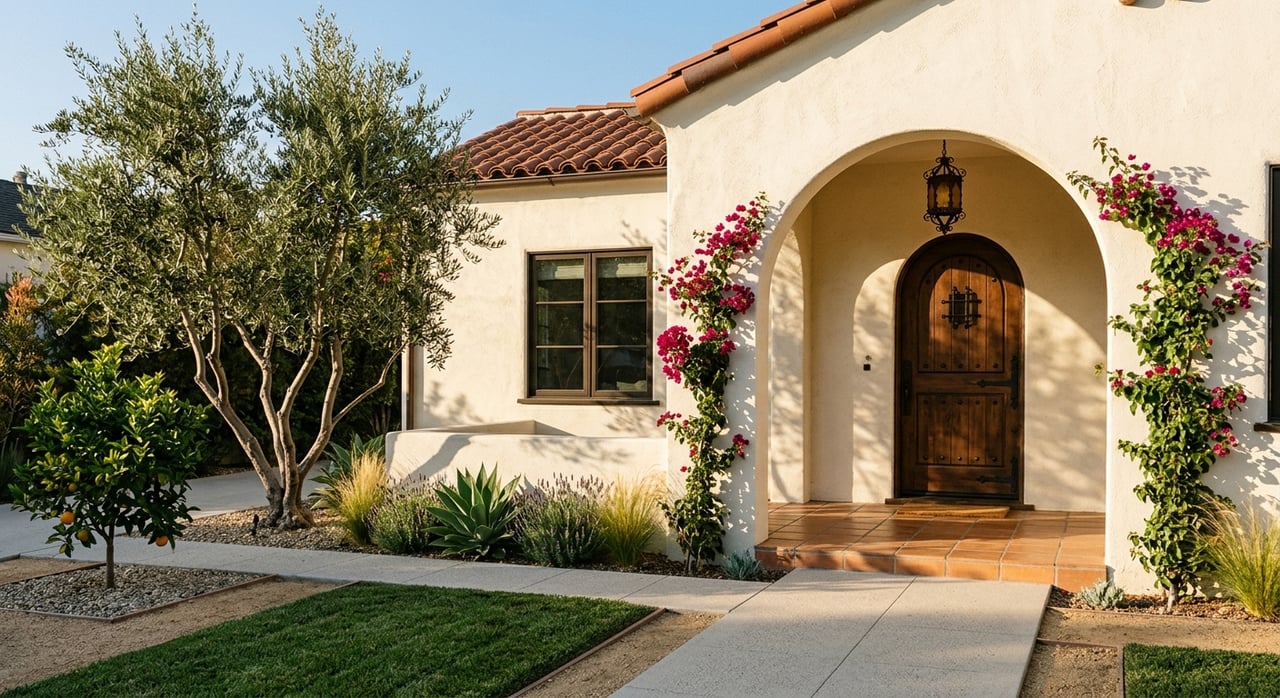
Classic homes are a big part of what defines La Cañada Flintridge. Many are tied to older streetscapes, mature landscaping, and a residential setting that reflects the city’s long-standing semi-rural character.
For many buyers, that sense of place is a major draw. A classic home may offer architectural details, lot presence, and neighborhood texture that are harder to replicate in newer construction.
There can also be a financial angle for certain historic properties. The city’s Historic Preservation and Mills Act program notes that qualified historic properties may receive property tax savings of 40% to 60% of the pre-Mills Act tax rate, though owners must commit to a minimum 10-year contract and recurring five-year inspections.
The appeal of a classic home often comes with more homework. Because so much of the local housing stock predates modern energy and wildfire-resilience standards, older homes may need closer review of roofing, drainage, ventilation, windows, siding, and permit history.
In simple terms, you may be buying more charm, but you may also be taking on more maintenance planning. The strongest classic-home purchases are often the ones where updates have already been done thoughtfully and documented clearly.
In La Cañada Flintridge, the practical comparison is usually not just newer versus older. It is whether the home has been maintained, hardened, and documented in a way that supports confidence.
That matters because this is a city where wildfire resilience and site conditions are part of smart home evaluation. Cosmetic upgrades can be nice, but they should not distract you from the quality of the systems, the permit trail, or the safety-related improvements.
A beautifully updated classic home with strong records may be a better fit than a newer home with unanswered questions. The same is true in reverse if a newer home offers the systems, efficiency, and ease of ownership you value most.
When you tour a newer home in La Cañada Flintridge, it helps to look past the finish materials and ask what is actually included and verified. Focus on features, permits, and site-specific conditions.
Older homes call for a different set of questions. You want to understand not just the home’s style and layout, but also the age and condition of major systems and the clarity of prior work.
Because the city is in a Very High Fire Hazard Severity Zone, wildfire resilience should be part of your comparison no matter the home’s age. The city’s guidance recommends features such as a Class A roof, ember-resistant vents, screened vents, sealed utility penetrations, dual-pane tempered glass windows, and ignition-resistant siding.
The city also breaks defensible space into three zones: 0 to 5 feet, 5 to 30 feet, and 30 to 100 feet. Whether you are considering a newer home or a classic one, these details can directly shape maintenance needs, safety planning, and buyer confidence.
La Cañada Flintridge has shown strong long-term price growth. SCAG reports that the city’s median sales price for existing homes rose from $578,900 in 2000 to $1.735 million in 2018, and a spring 2026 Redfin snapshot placed the median sale price at $2.2 million over the prior three months.
In a market like this, resale strength usually comes from a combination of location, condition, lot usability, documentation, and how confident the next buyer feels. Age matters, but it is rarely the only driver.
Newer homes often stand out with buyers who want turnkey convenience and lower near-term maintenance. They can also appeal to buyers who prefer code-forward systems and features that support electrification and energy efficiency.
Classic homes often connect with buyers who value architectural character, established surroundings, and the possibility of historic-property benefits. If updates have been done well, they can offer a strong mix of charm and functionality.
If you want a more maintenance-light experience, a newer home may feel easier to own from day one. If you care most about character, lot presence, and the feel of an established setting, a classic home may be the better match.
The smart move is to compare each property on the facts that matter most in this city: systems, permits, wildfire hardening, site conditions, and overall upkeep. In La Cañada Flintridge, the best home is often the one that fits your goals and has the strongest story behind the walls.
If you want help weighing newer versus classic homes in La Cañada Flintridge, the team at Petro Real Estate Group - Andrew & Stacy can help you compare options, uncover the details that matter, and move forward with confidence.
Stay up to date on the latest real estate trends.
We pride ourselves in providing personalized solutions that bring our clients closer to their dream properties and enhance their long-term wealth. Contact us today to find out how we can be of assistance to you!