Living in Glendale CA: What Daily Life Really Feels Like
February 5, 2026
February 5, 2026
Thinking about making Glendale home? You want a place that balances quick access to Los Angeles with a calmer, neighborhood feel. In this guide, you’ll learn what daily life looks like across Glendale’s neighborhoods, how you’ll get around, where people shop and dine, and what weekends usually bring. By the end, you’ll have a clear picture of whether Glendale fits your routine. Let’s dive in.
Glendale sits just northeast of downtown Los Angeles, and it blends suburban comfort with city convenience. Many residents commute to nearby job centers, while others work locally and enjoy short hops to shopping and parks. The city’s identity includes a vibrant Armenian presence alongside a broad mix of cuisines, small businesses, and cultural touchpoints. Expect a balanced pace with lively pockets downtown and quieter streets in the hills.
This is Glendale’s commercial and cultural core. You’ll find apartments and condos, pedestrian-friendly streets, and evening energy around restaurants and the theater scene. Two major shopping centers sit side by side here, one enclosed and one outdoor, which draw steady visitors throughout the week.
Montrose and nearby village areas offer small-town charm with cafés, boutiques, and relaxed residential blocks. You can run daily errands, grab coffee, and meet friends without moving your car far. The pace is comfortable, and you’ll still be close to the rest of Glendale when you need it.
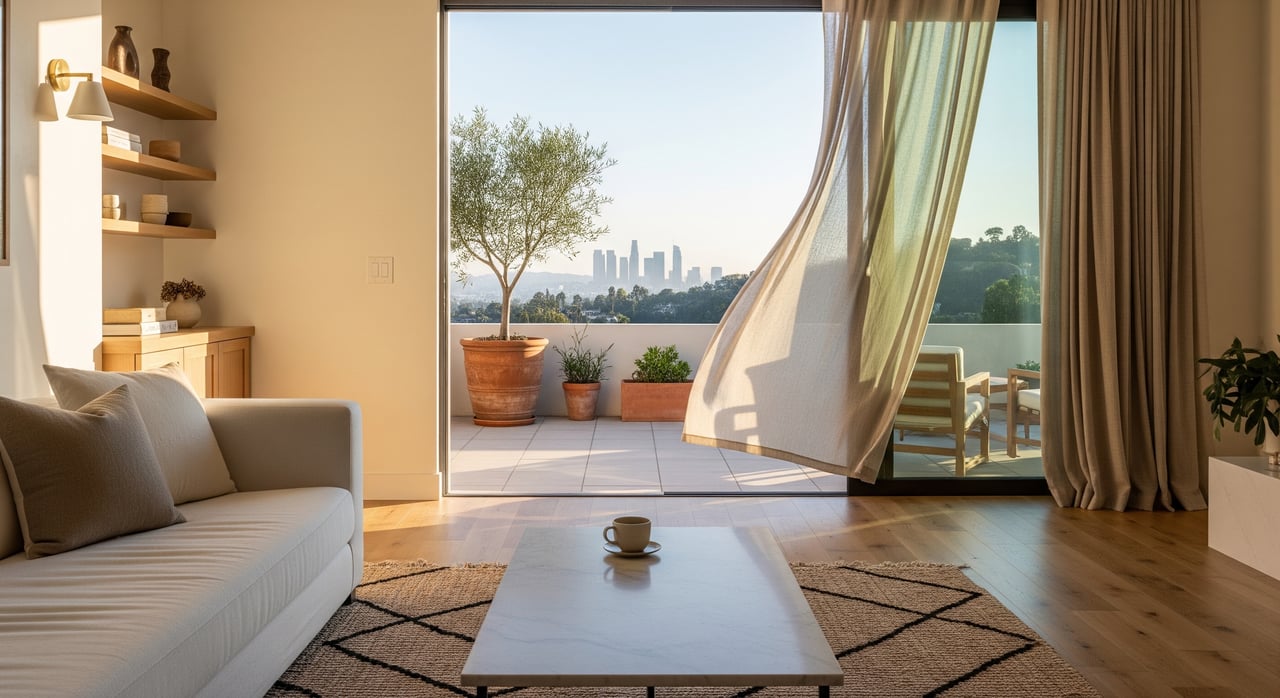
Neighborhoods like Rossmoyne, Adams Hill, and the Verdugo foothills are primarily single-family homes. Streets curve with the terrain, and some homes enjoy views across the city. These areas are quieter than downtown, and you’ll rely on nearby corridors for most shopping and dining.
Along Brand Boulevard, Colorado Boulevard, and other commercial strips, you’ll see mixed-use buildings and apartments over retail. These areas connect daily life across Glendale and are convenient for quick errands and transit access.
Glendale’s two major shopping hubs anchor big-box retail, entertainment, and dining, which keeps everyday errands close. Smaller neighborhood nodes in Montrose and along the Brand and Colorado corridors provide specialty markets and bakeries. You can mix national chains with local ethnic markets for weekly groceries.
You’ll find a broad dining mix, from quick-service spots to sit-down restaurants. Armenian bakeries and restaurants are a standout, and you’ll also see a range of international cuisines. Coffee shops cluster near Colorado Boulevard, Montrose village, and the downtown corridor around the outdoor lifestyle center.
Brand Park and the Brand Library grounds serve as central green spaces for picnics, reading, and casual time outdoors. If you like hiking, the Verdugo Mountains and nearby open space provide trails and scenic viewpoints. Glendale also sits close to Griffith Park, which adds major recreation options like cycling routes, large picnic areas, and access to iconic overlooks.
Public schools are served primarily by Glendale Unified School District, with multiple elementary, middle, and high schools in the area. You’ll also find charter and private options, plus early childhood centers and specialty programs. Because ratings and enrollment details change, it’s best to verify boundaries and program availability directly with the district.
Glendale and the surrounding area are served by multiple hospitals, urgent care centers, and clinics. Police and fire services are provided by the Glendale Police Department and Glendale Fire Department. For current service details or emergency resources, check city and provider sites when you are planning a move.
Glendale has direct connections to regional freeways that lead to downtown Los Angeles and neighboring cities. Brand Boulevard and Colorado Boulevard carry a lot of local traffic and line up with major retail and dining. Peak-hour congestion feels similar to other close-in LA suburbs, so your timing and route will matter.
Within the city, the Glendale Beeline provides local bus service, and LA Metro lines expand your reach across the region. For longer regional trips, look to Metrolink and Amtrak for rail connections and check current station stops and schedules before you commit to a routine. Many residents find that a car remains the most convenient day-to-day option, with transit useful for specific commutes and events.
Commuting is a mix. Some residents head south and west into central LA, while others work in nearby cities like Burbank and Pasadena. Travel times vary widely by time of day and destination, so it helps to test-drive your route during the hours you would normally travel.
Walkability is highest around the downtown/Brand–Colorado corridor and in village areas like Montrose. Hilly neighborhoods are quieter and scenic, but daily errands usually require a car. Bicycle infrastructure exists in select corridors, and riding comfort depends on route and elevation.
Mornings start with commuters on the freeways and local arterials, and coffee shops along the downtown corridor turn over briskly. Midday, office workers and shoppers gather at restaurants and food courts. Evenings bring steady energy near the outdoor lifestyle center, while hillside neighborhoods wind down earlier.
Weekends often revolve around the two major shopping hubs, village dining in Montrose, and local parks and trails. Glendale’s cultural venues host performances and community events that draw locals and visitors. Seasonal programs add variety, including a well-known winter attraction that lights up the downtown area.
Families lean on public parks, community centers, and weekend sports programs. You’ll find neighborhood playgrounds for quick outings and larger green spaces for full afternoons. Dog owners have access to parks and designated areas where allowed, so be sure to check leash rules and park hours.
Glendale is not a late-night club destination, but it offers consistent options for dinners out, small live music, theater, and cinema. Cultural institutions, including the Alex Theatre and the Brand Library & Art Center, host performances and exhibits that anchor the arts calendar. You can enjoy a night out close to home without dealing with the intensity of denser nightlife districts.
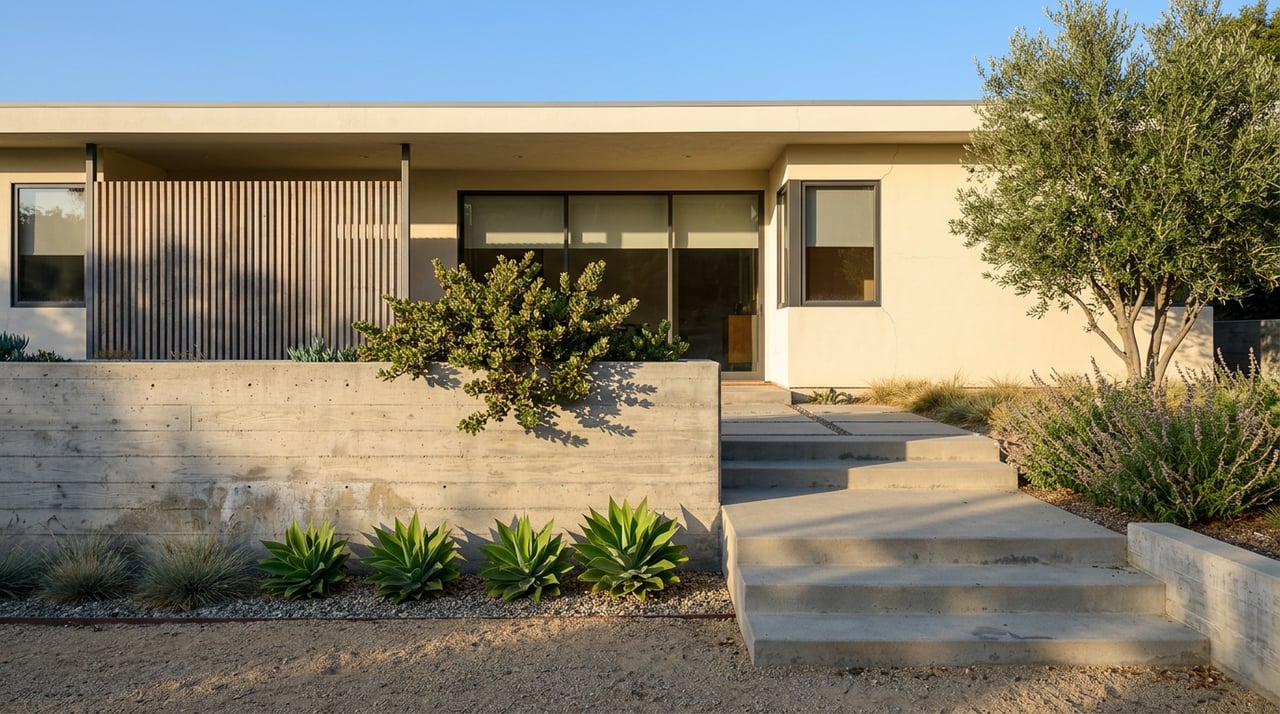
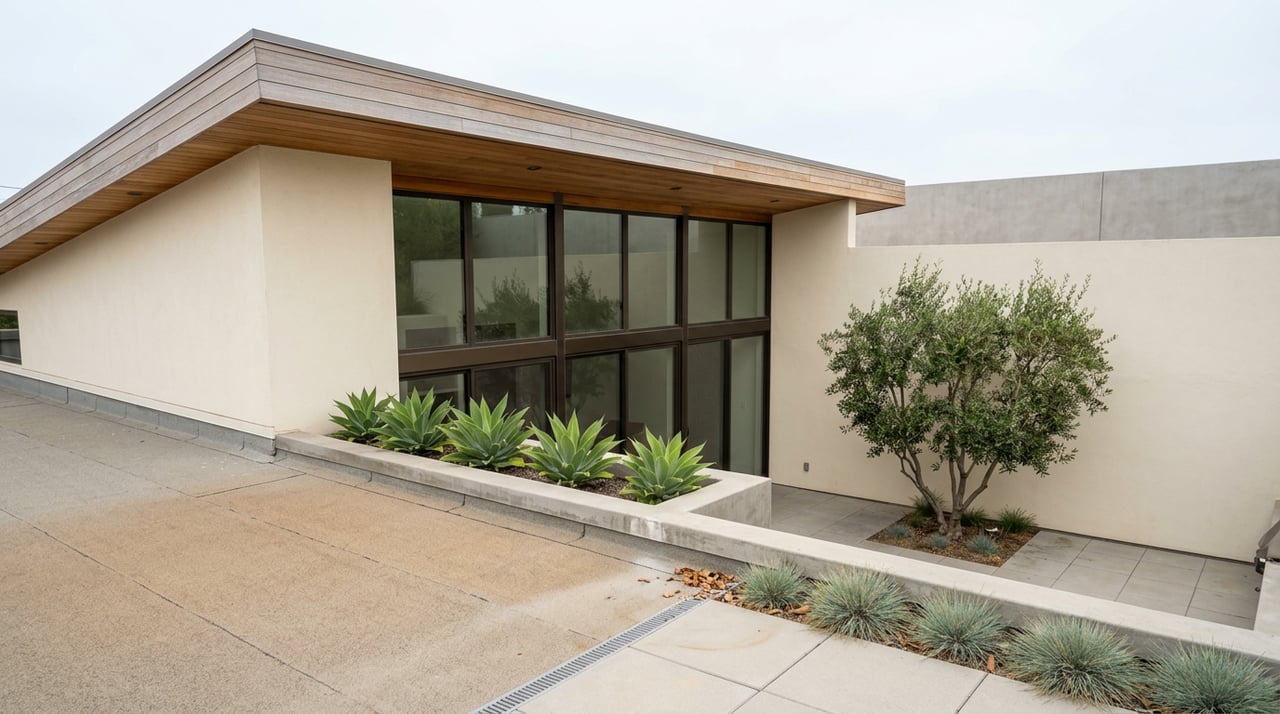
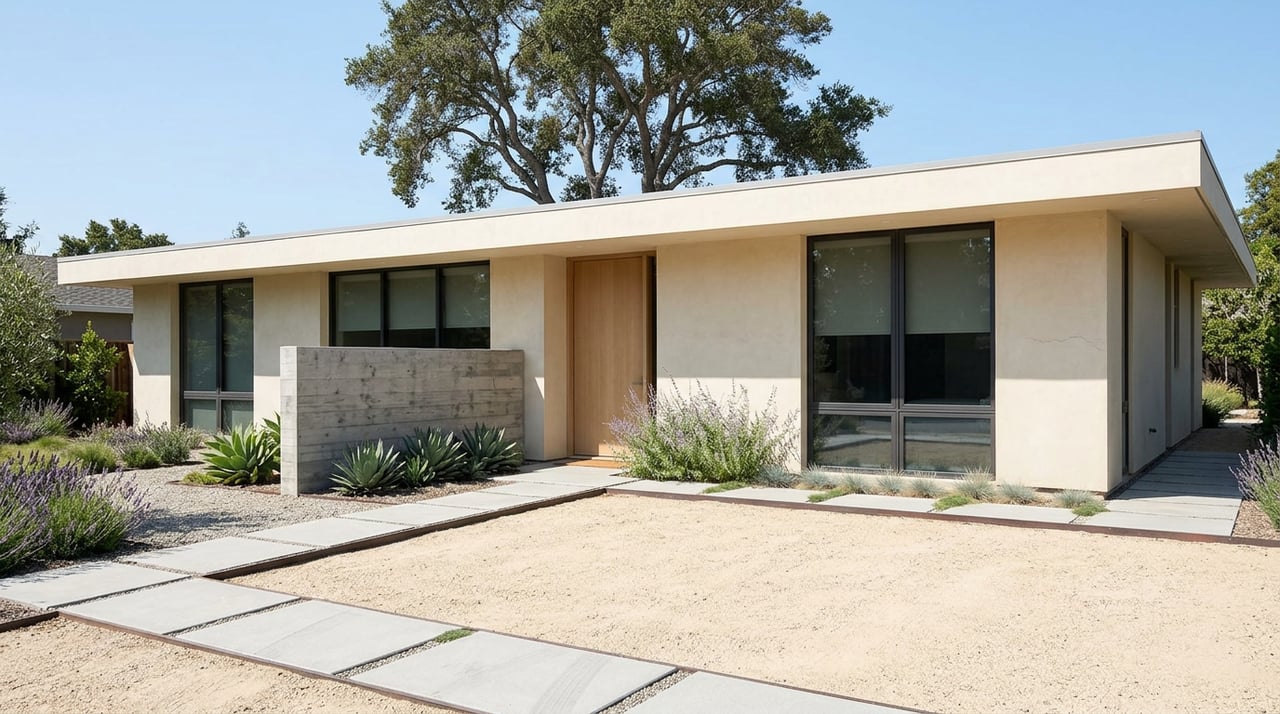
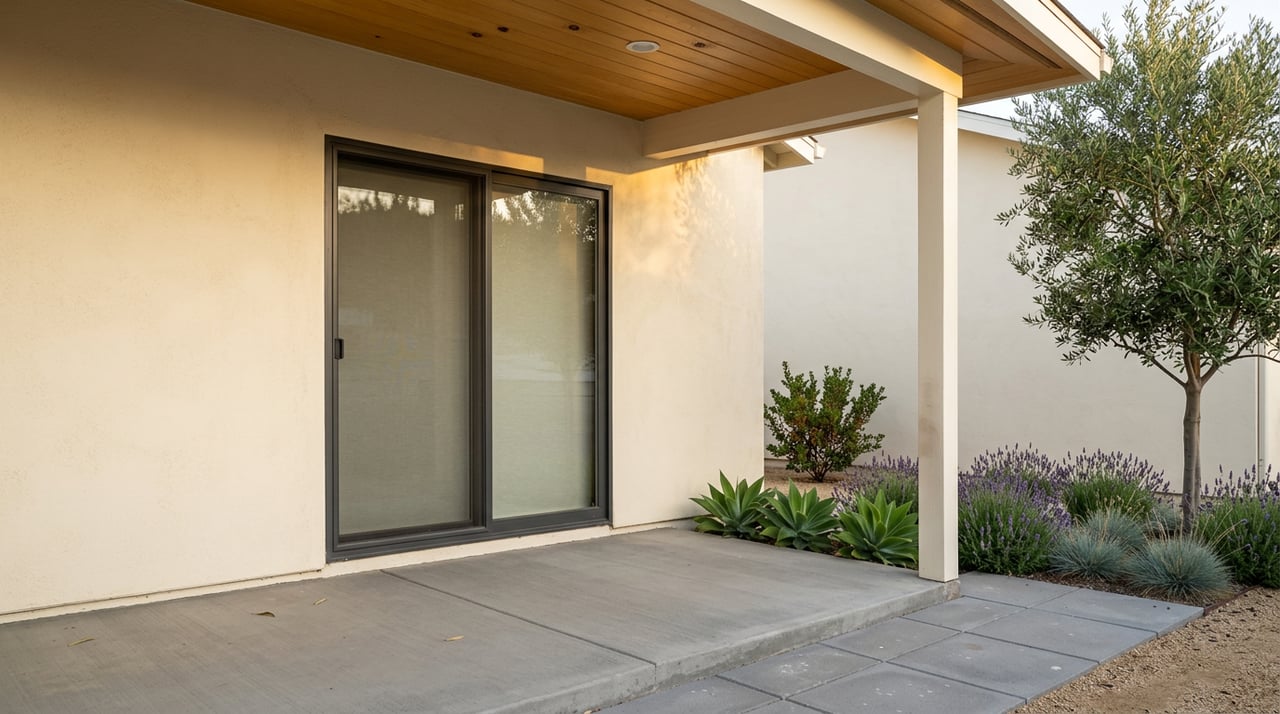
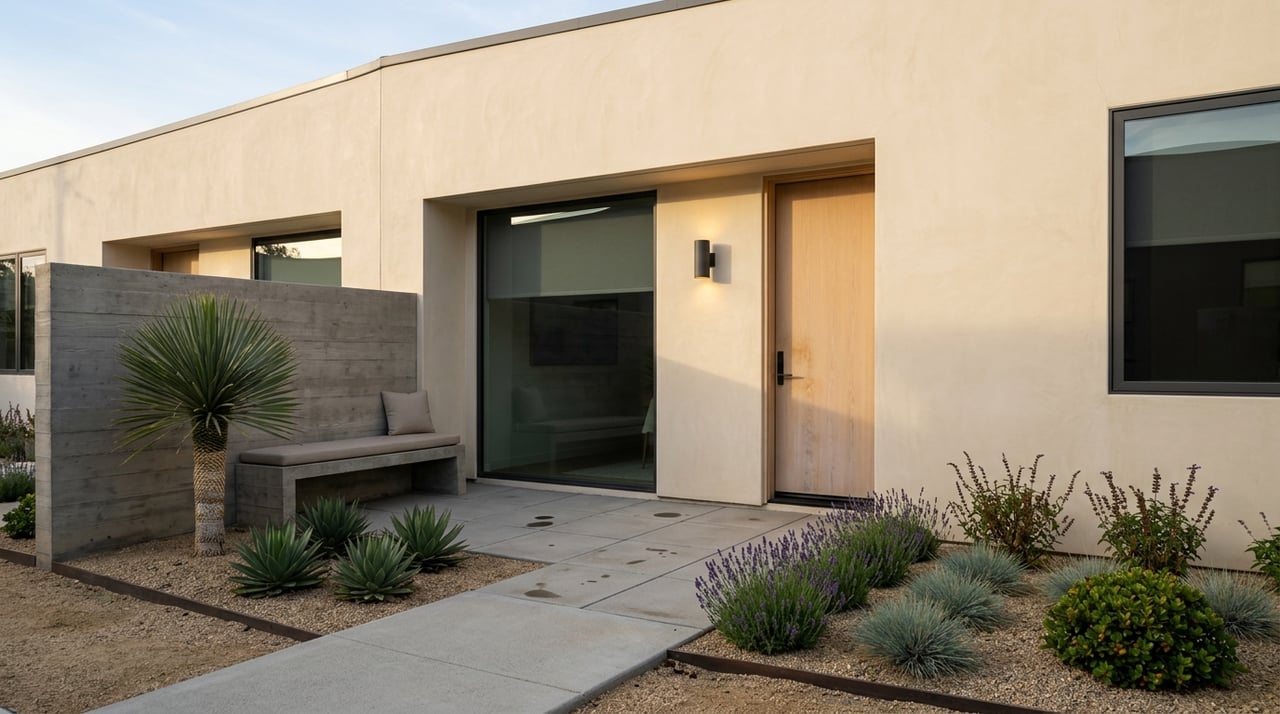
Glendale’s housing mix covers single-family homes in the hills, plus condos, apartments, and townhomes closer to retail corridors and downtown. You’ll see architectural variety such as Craftsman bungalows in older pockets, mid-century ranch styles, and newer infill townhomes and condos. This variety gives you options whether you prioritize space, views, or proximity to amenities.
Home prices and rents in Glendale tend to run above the broader Los Angeles County average. Market conditions can shift quickly, including inventory, days on market, and pricing trends. If you are weighing neighborhoods or property types, use current market data and on-the-ground guidance to make timing and offer decisions.
Many Glendale households rely on cars, and parking rules vary by neighborhood. Near commercial districts, expect meters or posted restrictions, while residential areas may have permits or time limits. If you are planning an ADU, short-term rental, or remodel, check city planning and code requirements early in your process.
Public safety services share crime statistics and neighborhood dashboards so you can review trends at the block level. Perceptions vary by area, so it helps to pair data with local context. Touring at different times of day can also clarify how a street feels on a normal weekday or weekend.
Because school assignment is boundary-based and boundaries can change, verify your address with Glendale Unified before making a final decision. If you are comparing program options, look up the latest district resources and confirm application timelines. For private and charter schools, check current admissions, capacity, and transportation options.
If you want close access to Los Angeles, reliable everyday amenities, and a mix of lively and quiet pockets, Glendale delivers a balanced lifestyle. You can live near dining and shopping downtown or opt for hillside homes with views and calmer streets. With parks, cultural anchors, and a diverse dining scene, everyday life stays convenient and connected.
Ready to explore homes and understand micro-neighborhood nuances block by block? Reach out to Petro Real Estate Group - Andrew & Stacy to set up a local game plan, compare housing options, and tailor the search to your daily rhythm.
Stay up to date on the latest real estate trends.
We pride ourselves in providing personalized solutions that bring our clients closer to their dream properties and enhance their long-term wealth. Contact us today to find out how we can be of assistance to you!