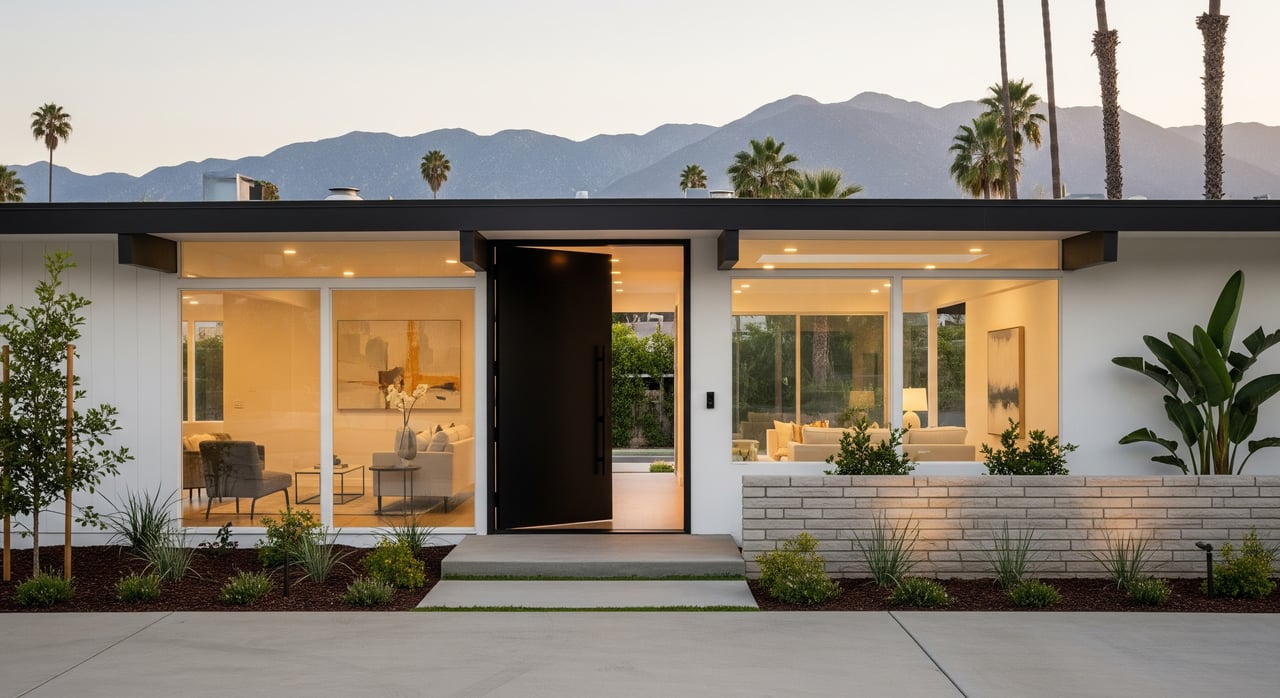
Pre Listing Inspection in Burbank to Maximize Offers
January 1, 2026
January 1, 2026
Selling in Burbank soon? One simple step can cut stress, shorten timelines, and help you attract stronger offers: a pre-listing inspection. When you know the true condition of your home up front, you control the narrative and avoid last‑minute surprises. In this guide, you’ll learn which inspections matter most in Burbank, how they support California disclosures, and a clear workflow to coordinate vendors and repairs. Let’s dive in.
California requires honest, thorough disclosures. Pre-listing inspections help you complete the key forms accurately and reduce risk after closing. They also align with what buyers, lenders, and appraisers will scrutinize during escrow.
Accurate disclosures, documented repairs, and permit clarity reduce renegotiations, build buyer confidence, and help your closing stay on schedule.
Below are common pre-listing inspections in Burbank and typical Los Angeles-area cost ranges. Actual pricing varies by size, age, and complexity.
A broad survey of major systems: roof, structure, HVAC, plumbing, electrical, interior and exterior. Expect a written report with photos and repair recommendations. Typical cost: about 350 to 700 dollars, with a report in 24 to 72 hours.
Checks for active infestations and damage, plus treatment or clearance plans. Many lenders consider this during underwriting. Typical cost: about 75 to 250 dollars, often with same-day to 48-hour turnaround.
A camera review of the main sewer line to spot root intrusion, blockages, offsets, or breaks common in older LA neighborhoods. Typical cost: about 150 to 400 dollars with same-day results. Sewer repairs can be costly, so early disclosure or repair helps avoid late negotiations.
Assesses age, leaks, condition, and remaining life; some pros issue certifications. Typical cost: about 150 to 400 dollars with quick turnaround. Roof issues are frequent buyer and appraiser concerns.
Verifies safe operation and estimates remaining life. Typical cost: about 100 to 200 dollars. A working system reduces buyer requests and contingency risk.
A licensed electrician checks for outdated or unsafe conditions that could impact safety or insurance. Typical cost: about 150 to 400 dollars. Addressing hazards early protects value and eases underwriting.
Reviews supply lines, fixtures, water pressure, venting, and water heater condition. Typical cost: about 150 to 400 dollars. Leak prevention and documentation build trust with buyers.
Recommended if your home shows cracks, settlement, slopes, or complex retaining walls. Typical cost: about 400 to 1,200 dollars or more for an engineer report. Clear structural documentation helps buyers and lenders.
Targeted testing when conditions suggest potential issues, especially in older materials or areas with past water intrusion. Typical ranges: mold about 200 to 600 dollars; asbestos about 150 to 400 dollars per sample. If concerns exist, testing prevents last‑minute buyer demands.
Checks equipment operation, safety barriers, leaks, and electrical compliance. Typical cost: about 100 to 350 dollars. Pools add complexity, so early inspection keeps escrow moving.
Chimney, solar, pest other than termites, or septic (if applicable). Order based on property features.
Pre-listing results guide your disclosures, repair choices, and negotiation strategy. A thoughtful plan can mean fewer concessions and faster closings.
Use inspection reports to complete the TDS and SPQ with dates, summaries, and any steps taken. Note known unpermitted work and check permit history with Burbank Building & Safety. Organized documentation lowers the chance of post-sale disputes.
Prioritize safety, structural, and likely lender-required items before listing or disclose a clear plan with estimates. For cosmetic or minor items, consider disclosure plus pricing strategy. For larger fixes, weigh market conditions: completing repairs can widen your buyer pool, while credits may suffice in a stronger seller market.
When buyers see complete reports and invoices up front, they write with more confidence and shorten contingencies. Lender conditions are handled early, preventing last-minute delays. Finished repairs with permits and receipts also support appraisal value.
Here is a practical, repeatable sequence you can follow to keep everything coordinated and documented.
A typical Burbank single-family prep often follows this cadence:
Estimated cost ranges in the Burbank and LA area:
A targeted pre-listing inspection strategy helps you price smart, negotiate from strength, and close on your timeline. If you want a high-touch plan that coordinates vendors, organizes disclosures, and showcases completed work to buyers, we’re here to help. Schedule your next step with the team at Petro Real Estate Group - Andrew & Stacy.
Stay up to date on the latest real estate trends.
We pride ourselves in providing personalized solutions that bring our clients closer to their dream properties and enhance their long-term wealth. Contact us today to find out how we can be of assistance to you!